“Kick out the jams, motherfuckers!”
The exhortation is one of the best-known in rock and roll history, even if it appeared at the beginning of the debut album by a group which never rose about cult status in their lifetime.
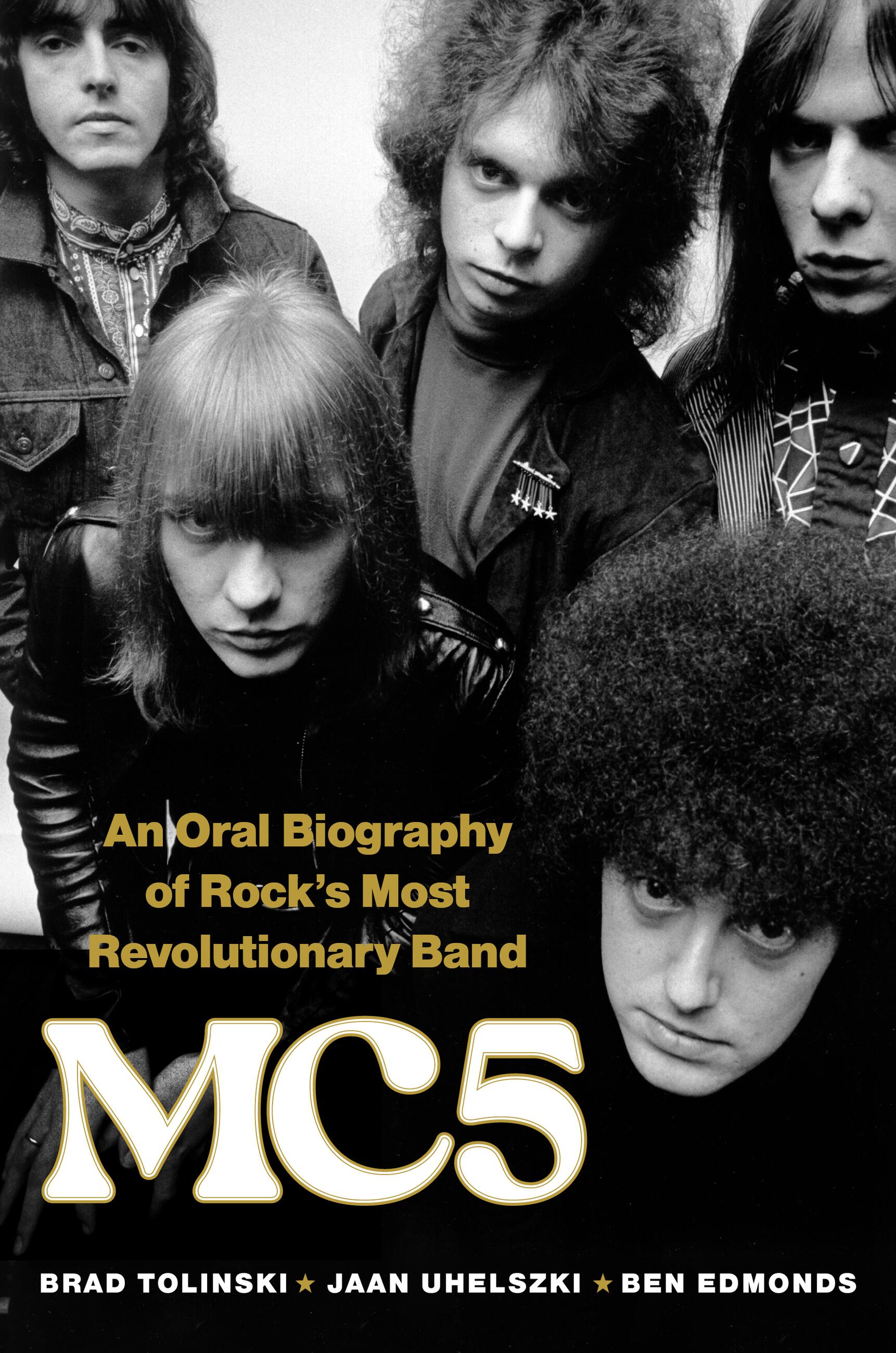
But as the authors of a new book on that raw, revolutionary, incendiary, and short-lived musical collective, those five words contain all you really need to know about the scope and the mission of the MC5.
A band whose influence far outweighed their album sales, and who were loud and proud proponents of police reform, Black Lives Matter, and cannabis legalization decades before such issues became regular parts of the daily conversation.
Their history, aftermath, and legacy are told in MC5: An Oral Biography of Rock’s Most Revolutionary Band by Brad Tolinski, Jaan Uhelszki and Ben Edmonds (304 pp., $30, Hachette Books).
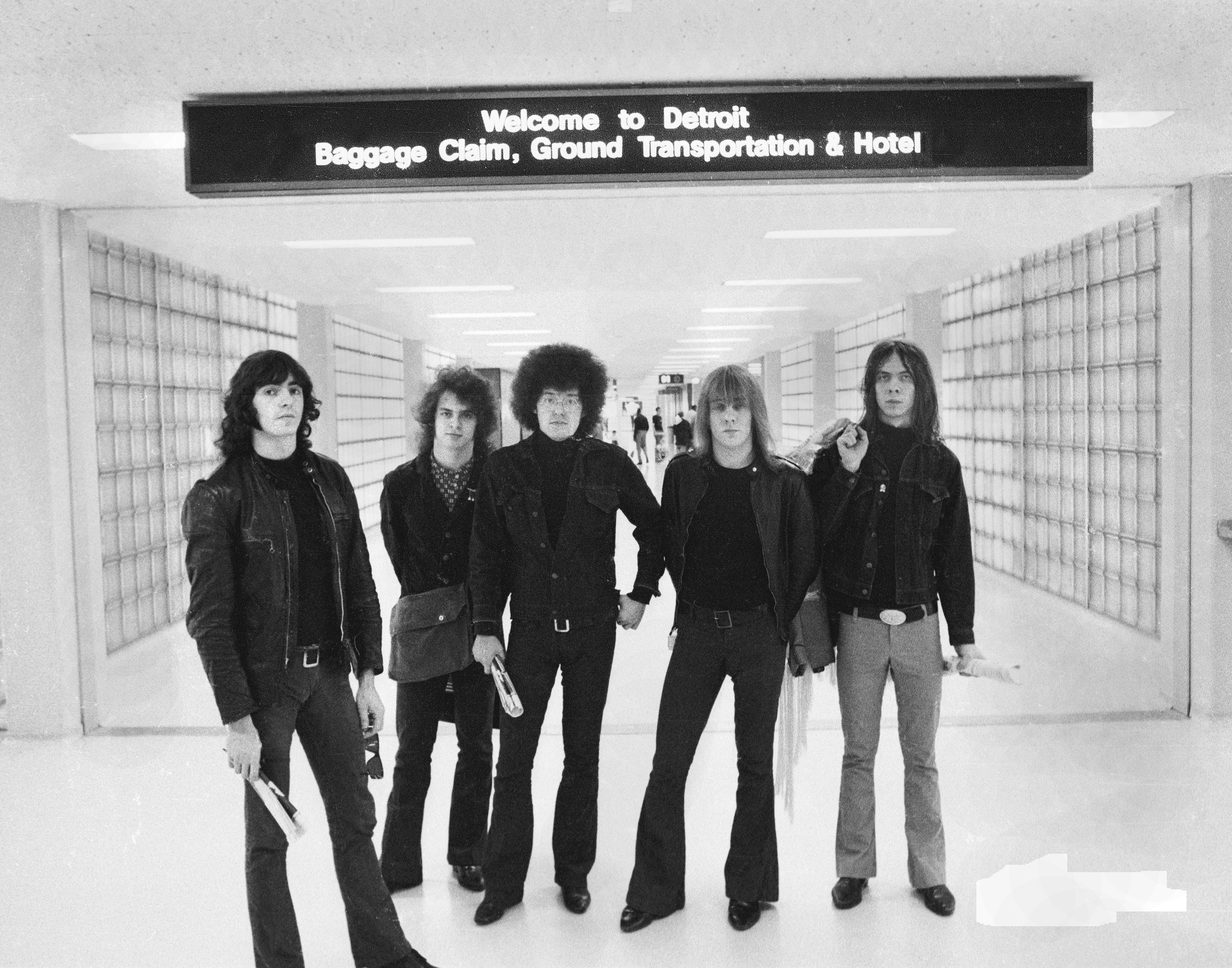
This was a ragtag scrappy band, as unfiltered and raw as the Detroit area that spawned them. In this primordial state, it was hard to get any traction with their unpredictable and chaotic performances when the formed in the mid-‘60s.
Things began to look brighter for the band when they gained the support—and then the managerial position—of John Sinclair. A local radical political activist and writer with a LOT of energy, he helped create a whole support structure for the band, the music, and soon, the message.
He also used contacts to help place them as the house band at the Grande Ballroom. It was the hippiest music place in the motor city where the ragtag quintet of heathens would open for national acts like the Jimi Hendrix, Big Brother and the Holding Company with Janis Joplin, Cream, and reportedly blow them away.
The MC5 also became the musical mouthpieces after their debut record was released for his newly formed (and somewhat tongue-in-cheek) political unit, the White Panther Party. Except the platform plank most remembered had little to do with racial relations: It was “Rock and roll, dope, and fucking in the streets.” And the idea was to blend music, politics, and culture.
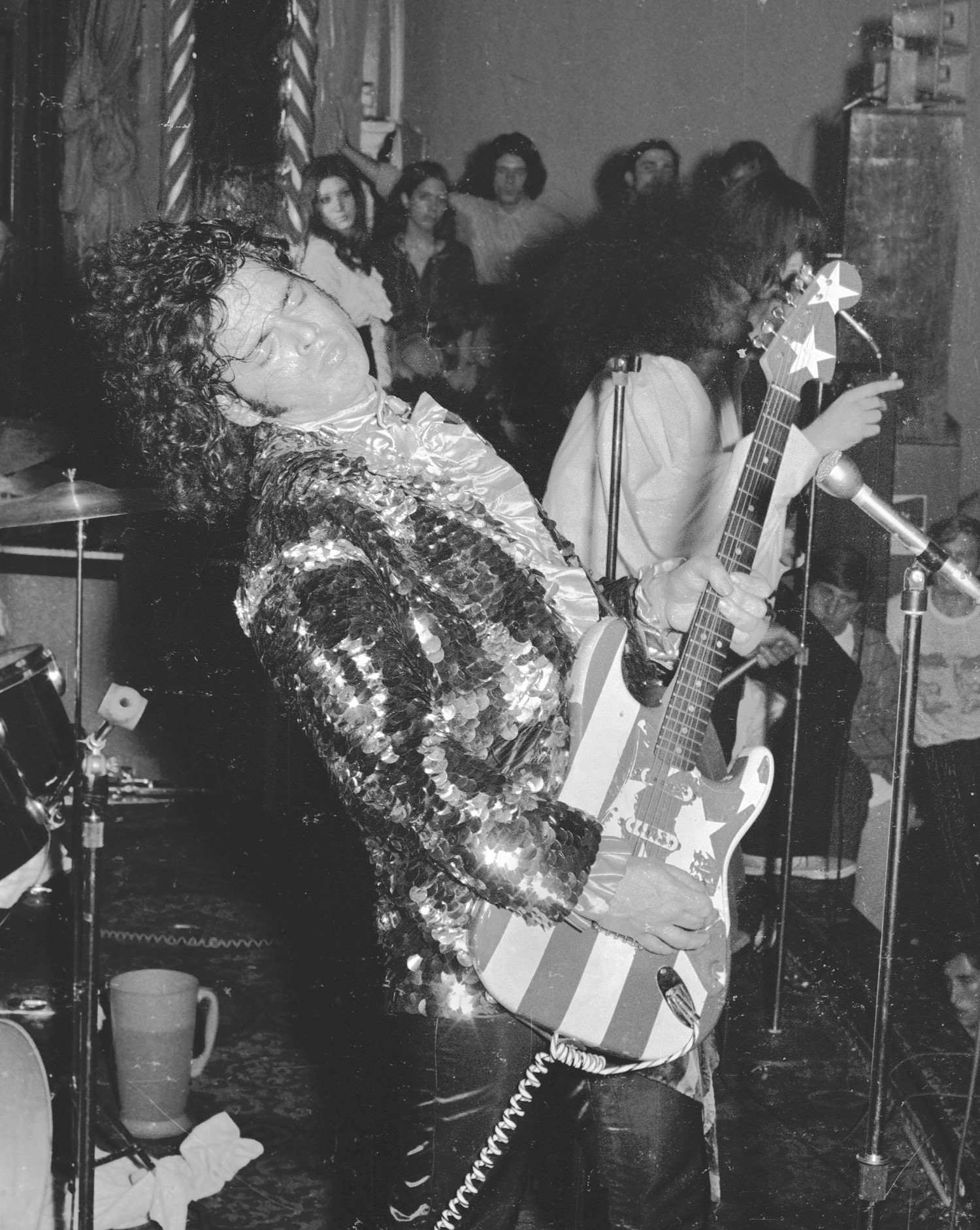
Though ultimately, Sinclair’s use of the band as a political instrument to his increasingly, “radicalized” beliefs took the focus off the music. But hey, the party never stopped at the group’s commune (in their new home of Ann Arbor, Michigan) home which at any point could include dozens of people/leeches and over which Sinclair was the final word.
The MC5’s 1969 debut record, the recorded live Kick Out the Jams was positioned to break the band nationally. But a combination of radio censorship (over the “motherfucker” – even though the group had recorded a “clean” single without it). Elektra Records scheduling screw-up and hubris, band self-sabotage, derailed it.
There was even one week of events that caused them to be hated by BOTH two of the most powerful concert promoters in the country and the radical left. Oh, and then Elektra dropped them.
But then again, it was their own fault. When a local department chain, Hudson’s, refused to carry the album due to the profanity, Sinclair took out a full-page age in the underground press that said “Fuck Hudson’s,” and threw in the Elektra logo. Which caused the store to then suspend carrying all Elektra product.
The band’s sound became more polished and tighter on two follow up albums, Back in the USA and High Time (the former produced by a then 21-year-old Jon Landau, rock journalist and future Bruce Springsteen symbiote). But again, blown opportunities—both the band’s fault and not—internal tensions, shifting allegiances, a messy split with Sinclair, and heavy drugs doomed a group perhaps never meant to have a long lifespan in the first place.
That this book exists at all is due to the tenacity of its three co-authors—one of whom is deceased. When Edmonds died in 2016, he had been interviewing band members and associates for 10 years for a project that did not come to fruition. Esteemed music journos Tolinski and Uhelszki decided to finish the work.

However, Edmonds was not a believer in, uh, computers. So, the pair had to sift through hundreds of pages of handwritten notes and transcriptions on lined paper, haphazardly organized. Tolinski and Uhelszki then provided additional content, fresh interviews, and bridge chapters.
Interestingly, though all of the band members and most of the key players in their story have voice here, it’s all very Rashomon with Rob Tyner (vocals), Wayne Kramer and Fred “Sonic” Smith (guitars), Michael Davis (bass) and Dennis “Machine Gun” Thompson (drums) a quarrelling quintet still bickering, laying blame, and seeing things very differently even decades after they happened.
Of them all, Kramer comes off as the most passionate, while Tyner—actually often ridiculed for any number of fashion, vocal, or opinion “sins” within his own band—the most thoughtful and reflective.
The MC5 have been credited with helping sow the seeds of both heavy metal and punk. And though they’ve been on the ballot several times previously, this month they’ll finally be inducted into the Rock and Roll Hall of Fame (albeit in the opaque “Musical Excellence” category instead of “Performer”). Unfortunately, none of the members are still alive to accept that honor.
This book serves as likely the definitive firsthand account of the MC5. A lot of musicians and bands gave lip service to “changing the world through music.” But for a while the MC5 believed they could actually do it.
This review originally appeared at HoustonPress.com


 Classic Rock Bob
great! Breaking: Unprecedented Measures Implemented to Control [Problem] 2025 fetching