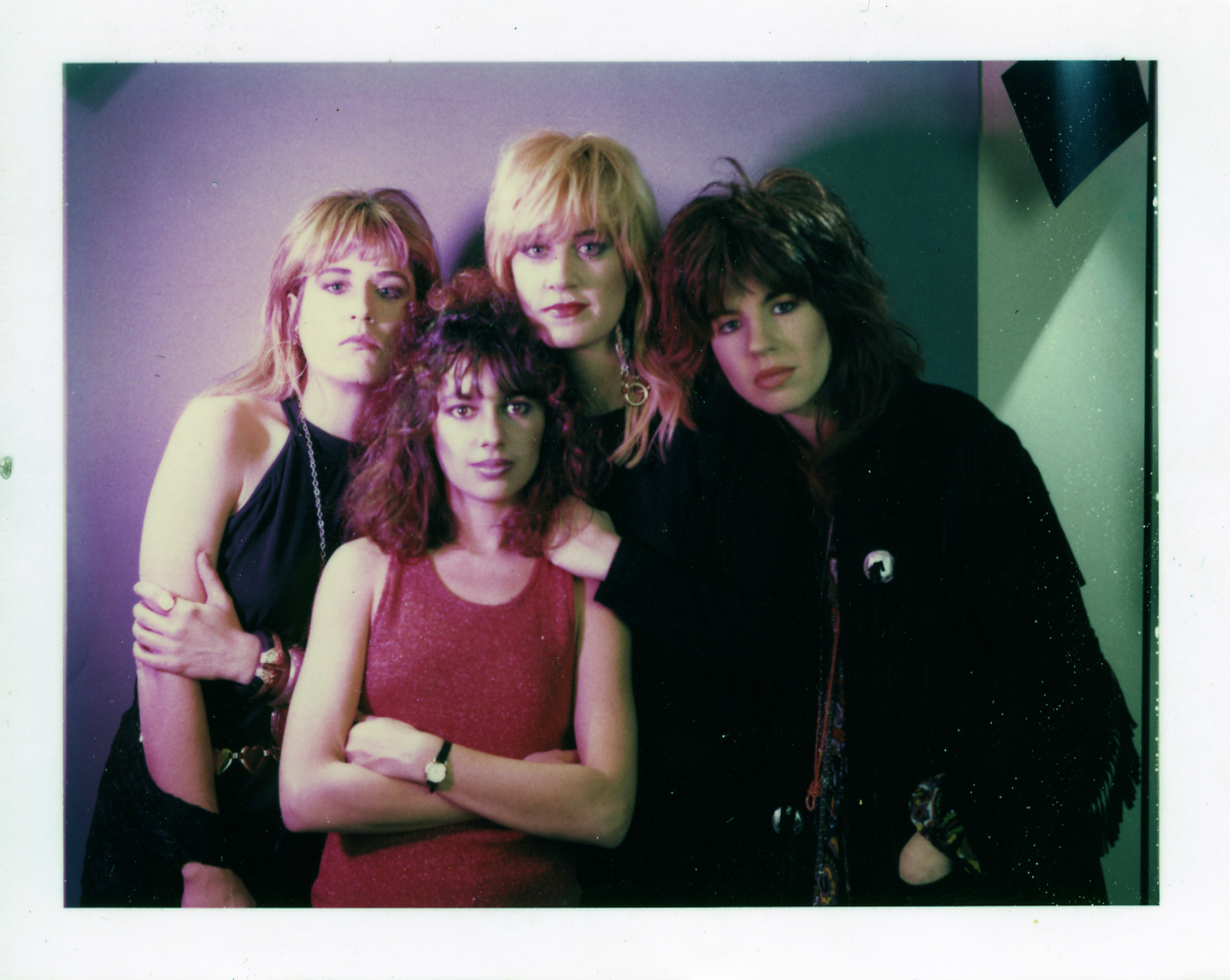

July 15, 1989. While tens thousands of Houstonian Gen Xers won’t necessarily recall what they were doing on that date, mention “The Bangles Beltway 8” concert and they’ll instantly recall the bizarre gig when the hitmakers behind “Manic Monday,” “Walk Like an Egyptian,” “Eternal Flame,” “A Hazy Shade of Winter,” and “In Your Room” played a free show…celebrating the opening of a stretch of paid highway between I-10 and 290.
Officials were estimating 25,000 attendees, though accounts note the nearly three times that amount actually showed up. Even the odd location aside, throw in the fact that it was boiling hot, the shaky stage had been cobbled together, and the overpass actually started swaying under the weight of the people, with the stage and lighting began to move., the Bangles cut the show short before disaster could happen.
The incident looms so heavily in the band’s history that it opens author Jennifer Otter Bickerdike’s Eternal Flame: The Authorized Biography of the Bangles (416 pp., $30, Grand Central Publishing).
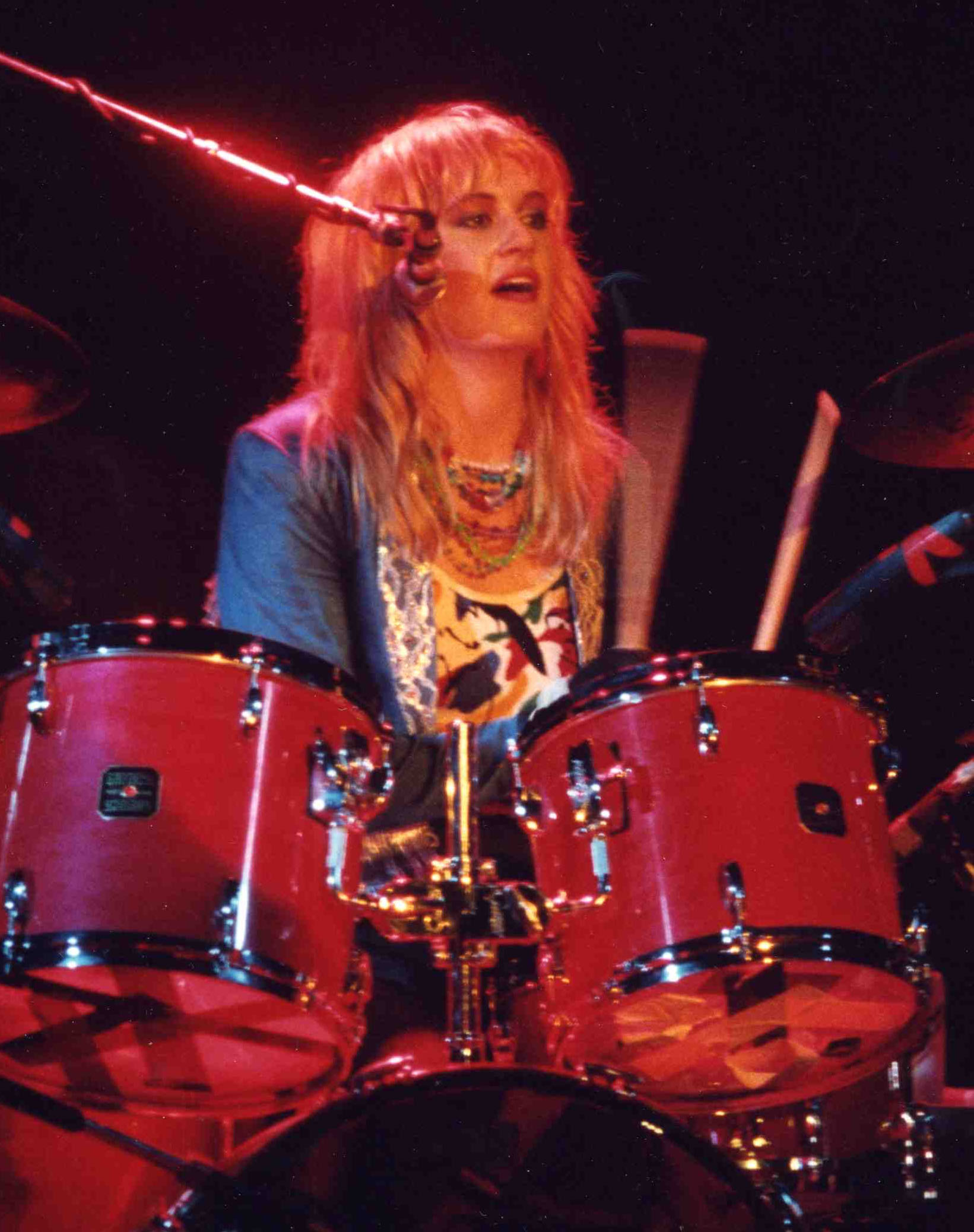
Being an “authorized” tale, of course, has its pros and cons. Bickerdike was given unfettered access to the archives of the group and conducted extensive and fresh interviews with co-founders Vicki Peterson (guitar/vocals), sister Debbie Peterson (drums/vocals), and Susanna Hoffs (lead vocals/guitar).
As was as band admirers, record company execs, producers, promo men, roadies, managers, and co-founding bassist Annette Zilinskas, who left the group just prior to their recording their full length debut and massive success.
This also means the book is largely complimentary, though Bickerdike does note tensions that grew out of Hoffs’ visual and vocal dominance on stage and in videos, and who garnered the most press attention, a sticking point for the other three in both archival and contemporary interviews. In other instances, Rashomon-style, they sometimes have completely different takes on the same incident or situation.
Conspicous by her absence (though through no fault of Bickerdike) is the fourth member who was there for the classic lineup bassist Michael Steele, who chose not to participate. Her input and observations are missed, especially as she seemed the “odd one out” of the quartet.
Bickerdike chronicles the often rampant sexism the Bangles faced—throughout the first phase of their career—from record company execs, DJs, media, and even fellow musicians. She also notes the media-created “rivalry” with The Go-Go’s, almost exclusively based on their shared all-female lineup despite their very different sounding music. The Go-Go’s light punk/pop tunes versus the Bangles more ‘60s-inspired jingle jangle rock sounds.
Still, the influence—wanted or not—of men is a thread in the book. Whether it’s Prince who gives them their breakthrough hit with “Manic Monday” (seemingly based on his potential romantic feelings for Hoffs that went unrequited) or the creative struggles with producer David Kahne, who brought in session musicians for their first two albums. As to why the band (and especially Vicki, the most distraught on the latter) didn’t push harder for themselves, is not wholly answered.
She also notes how a band or record could “break” with seemingly the input and interest of a single DJ (in this case KROQ’s Rodney Bigenheimer) or booker. Or how a band would have to stir interest themselves with flyers placed in club bathrooms or giving away 45s. A way of getting your music noticed that must seem simply arcaic in this era of TikTok, YouTube, and Bandcamp.
While there was no clear defined “leader” of the Bangles, the duties largely happened under the umbrella of Vicki Peterson (as the driving force) and Hoffs (as the “frontwoman”) and writers of most of their original material.
One of the best aspects of this book is that it sends the reader (and this reviewer) to take a deeper dive into the band’s discography. Not only did I find that they produced a lot of great music beyond the hits, but that the lead vocals were pretty equally distributed between the four members. Though it’s understandable to view Hoffs as the main vocalist since it’s her on almost all of the hits.
Save “Walk Like an Egyptian,” in which three of them take turns. Interestingly, the group dismissed the Jules Shear-penned song as a novelty tune and didn’t give it much thought after recording it. That it would become their most recognizable song and most-watched video–in the words of Chuck Berry—goes to show you never can tell.
Other musicians from Duran Duran and Prince to the Go-Go’s and even Robert Plant make cameo appearances in stories. And the group dubs Police frontman Sting as “Stink” because, well, he apparently was not the biggest proponent of personal hygiene the time they shared a house with him (the Police drummer Stewart Copeland’s brother, Miles, was the Bangles’manager).
But one of the biggest takeaways from the book is just how unhappy the members seemed to be, even at the height of their successes when they were getting double platinum sales for Different Light, selling out shows, and winning awards. And that unhappiness was often with each other, though it often went unaddressed. At times, the reader wants to reach into these pages, shake each member up, and say “just talk to each other!”
The Bangles broke up in 1989 not too long after that disastrous Houston Beltway 8 show. Over the decades there have been periodic full and partial reunions, tours, some solo/new group/side project releases, a great archival release of their earliest and most blatantly ‘60s-inspired music from when they were just known as The Bangs (Ladies and Gentlemen…The Bangles) and even new Bangles music (the last being 2011’s Sweetheart of the Sun).
Steele left for good in 2005 and Zilinskas was brought back into the fold, though the band has not performed since 2019 and according to their website, only the Petersons and Hoffs are “official” members.
Eternal Flame is a solid and overdue look at a band that not only helped pioneer and pave the way for a bigger stake of women in rock and roll, but were a treasured part of many a Gen Xers memories. It will hopefully help put attention to their music and a reassesement of their career beyond their looks and videos.
BONUS!
A YouTube Video where the Bangles talk about the infamous Houston freeway concert and the audio from the show!
This article originally appeared at Houston Press.com


 Classic Rock Bob